
• Skip to primary navigation
  • Skip to main content
  • Skip to primary sidebar
  • Skip to footer

Johns Hopkins Vasculitis Center

Show Search
Hide Search
  • About Our Center
    • Appointments and Directions
    • Meet Our Team
    • Support Our Center
  • What is Vasculitis?
    • Types of Vasculitis
    • Causes of Vasculitis
    • Symptoms of Vasculitis
    • Diagnosing Vasculitis
  • Vasculitis Treatments
    • Prednisone
    • Avacopan (Tavneos®)
    • Apremilast (Otezla®)
    • Azathioprine
    • Colchicine
    • Cyclophosphamide (Cytoxan)
    • Dapsone
    • Supplemental Immunoglobulin (IVIG/SCIG)
    • Leflunomide
    • Mepolizumab (Nucala®)
    • Methotrexate (MTX)
    • Mycophenolate
    • Rituximab
    • Sarilumab (Kevzara®)
    • TNF Inhibitors
    • Tocilizumab (Actemra®)
  • Vasculitis Research
  • Resources
Home / Search for "search.html/whatis/polyangiitis.html/treatments/methotrexate.html"

Search Results for: search.html/whatis/polyangiitis.html/treatments/methotrexate.html

About Our Center

About Our Center

Our center is composed of dedicated physicians, research coordinators and patient care coordinators who serve patients with vasculitis. Many patients who receive these diagnoses have never previously heard the term “vasculitis” or met other patients with the same condition. The vasculitis syndromes (known together as “the vasculitides”) are a group of diseases that can affect every organ system, and occur in people of all ages, genders and backgrounds. Because these diseases are relatively rare and can present in many different ways, the diagnosis of vasculitis is often difficult to reach, and many patients suffer a period of uncertainty prior to finally arriving at a diagnosis of vasculitis. In our mission of serving all patients with vasculitis, we consider the provision of clear and accurate information to be one of our most important responsibilities.

At this Website you will find:

  1. explanations of vasculitis in lay terms
  2. specific discussions of individual diseases
  3. a review of the common therapies for vasculitis
  4. answers to commonly asked questions
  5. information on how to make an appointment to be seen in the Johns Hopkins Vasculitis Center
  6. information about ongoing research at the Johns Hopkins Vasculitis Center
  7. ways in which you can contribute to advancing research and progress in vasculitis.

Please note that this Website is sponsored through the generosity of various friends of the Johns Hopkins Vasculitis Center. We update the Vasculitis Center Website regularly and strive to provide solid, usable information on various types of vasculitis, treatments, and support resources.

Thank you for visiting our Website. We hope you will find it accessible and useful as you learn about these challenging diseases.

Yours truly,

Brendan Antiochos, MD
Assistant Professor of Medicine
Johns Hopkins University School of Medicine,
Division of Rheumatology
Director, The Johns Hopkins Vasculitis Center


Meet Our Team

Vasculitis Center Doctors

Duvuru Geetha, MD

Professor of Clinical Medicine

Dr. Geetha is a Professor of Medicine in the Division of Nephrology. A graduate of Madras Medical College, India, she completed Internal Medicine training in U.K. She did her Internal Medicine Residency at York, PA and Nephrology fellowship at Johns Hopkins Bayview Medical Center. She has been on Hopkins faculty since 1998. She is a member of Royal College of Physicians (U.K.), American Society of Nephrology, American Society of Transplantation and a consultant for the vasculitis foundation. She is a member of the Miller Coulson Academy of Clinical Excellence at Hopkins. Her clinical interests include renal disease in vasculitis patients with a focus on ANCA associated vasculitis and Henoch-Schonlein Purpura. She does clinical and translational research in vasculitis with a focus on ANCA associated vasculitis and renal disease.

Brendan Antiochos, MD

Assistant Professor of Medicine

Dr. Antiochos is a graduate of Dartmouth College and Dartmouth Medical School. He completed internal medicine residency at Oregon Health & Science University, then rheumatology fellowship at Johns Hopkins, before joining the faculty here in 2014. Dr. Antiochos assumed the role of Director for the vasculitis center in 2022. In addition to seeing patients in the vasculitis center, Dr. Antiochos performs laboratory-based research on autoimmune diseases. His laboratory work focuses on activation of the innate immune system and the discovery of novel autoantibodies.

Philip Seo, MD

Associate Professor of Medicine

A graduate of Harvard College and the College of Physicians and Surgeons at Columbia University, Dr. Seo completed his Internal Medicine training as a member of the Osler Medical Service at the Johns Hopkins Hospital. Since then, he has worked at Johns Hopkins in several capacities, including as a hospitalist at Johns Hopkins Bayview Medical Center, and as an Assistant Chief of Service of the Department of Medicine at the Johns Hopkins Hospital, before joining the Division of Rheumatology. His research interests are the assessment and treatment of ANCA-associated vasculitides, including Churg Strauss Syndrome, Wegener’s Granulomatosis, and Microscopic Polyangiitis.

David B. Hellmann, MD

Aliki Perroti Professor of Medicine

Dr. Hellmann is the Chairman of the Department of Medicine and Vice Dean at The Johns Hopkins Bayview Medical Center, and the Aliki Perroti Professor of Medicine. A graduate of Yale University and Johns Hopkins Medical School, Dr. Hellmann received his Internal Medicine training on the Osler Service at Hopkins, and trained in Rheumatology at the University of California, San Francisco. He has been on the Johns Hopkins faculty since 1986.

Desh Nepal, MD

Assistant Professor of Medicine

Michael Cammarata, MD

Assistant Professor of Medicine

Dr. Cammarata is a graduate of The College of William & Mary. He attended Eastern Virginia Medical School and completed his residency in Internal Medicine at the University of California San Francisco. He returned to the east coast for rheumatology fellowship at Johns Hopkins, joining faculty in 2024. He is RhMSUS certified in musculoskeletal ultrasound, and also practices general medicine as a hospitalist at Johns Hopkins Hospital. 

Collaborators

Vasculitis can involve virtually any organ system within the body. Hence, our Vasculitis Center maintains close collaborative relationships with experts from other specialties. The Vasculitis Center includes collaborators from several medical disciplines who help provide the highest level of care for our patients. They have extensive experience managing vasculitis within their subspecialty and work closely with the Physicians in the Vasculitis Center to provide comprehensive care for our patients:

Otolaryngology (ENT):

Our ENT team includes specialists in inflammatory sinus disease, sensorineural hearing loss, and chronic middle ear disease. We are pleased to also have a Doctor of Audiology, Dr. Dinkes, who specializes in inflammatory process on our team as well.

  • Dr. Jean Kim (sinus disease, middle ear manifestations)
  • Dr. Alexander Hiller (upper airway disease)
  • Dr. Roni Dinkes (audiology)

Neuro-ophthalmology:

  • Dr. Andrew Carey

Endocrinology / Osteoporosis:

  • Dr. Han Na Kim

Rheumatoid Vasculitis

  • First Description
  • Who gets Rheumatoid Vasculitis (the “typical” patients)?
  • Classic symptoms of Rheumatoid Vasculitis
  • What causes Rheumatoid Vasculitis?
  • How is Rheumatoid Vasculitis diagnosed?
  • Treatment and Course of Rheumatoid Vasculitis
  • What’s new in Rheumatoid Vasculitis?

First Description

Rheumatoid Vasculitis (RV) is an unusual complication of longstanding, severe rheumatoid arthritis. The active vasculitis associated with rheumatoid disease occurs in about 1% of this patient population.

RV is a manifestation of “extra-articular” (beyond the joint)rheumatoid arthritis and involves the small and medium-sized arteries in the body. In many of its disease features, RV resembles polyarteritis nodosa.

Other common extra-articular manifestations of rheumatoid arthritis, such as inflammation in the sac surrounding the heart (pericarditis), inflammation in the lining of the lungs (pleuritis), and interstitial lung disease (resulting in fibrosis or scarring of the lungs).

Who gets Rheumatoid Vasculitis? A typical patient

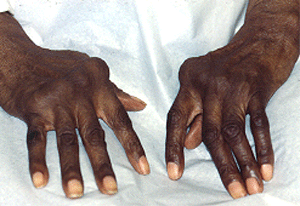
RV can affect a person from any ethnic background, either gender, and from any age group. However, more often than not, the typical patient has long-standing rheumatoid arthritis with severe joint deformities from the underlying arthritis. Although the arthritis has usually led to significant joint damage, at the onset of RV the joint disease is paradoxically quiet.

Figure: Patient with joint damage from rheumatoid arthritis. Note the bulbous swelling of some knuckles and lateral (ulnar) deviation of the fingers.

Classic symptoms of Rheumatoid Vasculitis

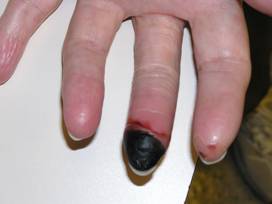
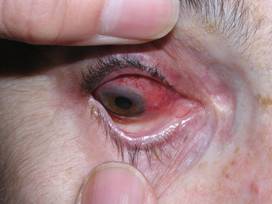
RV has many potential signs and symptoms. The manifestations of RV can involve many of the body’s different organ systems, including but not limited to the skin, peripheral nervous system (nerves to the hands and feet) , arteries of the fingers and toes causing digital ischemia, and eyes with scleritis. Scleritis (inflammation of the white part of the eye) commonly occurs in the setting of RV. This ocular complication requires urgent treatment with immunosuppressive medications.

Figure: Digital ischemia – this image shows a blood flow deficiency in the tip of the finger caused by an obstruction of the digital artery.

Figure: Scleritis – Inflammation of the sclera (the white of the eye) causing redness, light sensitivity and pain.

In addition, generalized symptoms such as fever and weight loss are common.

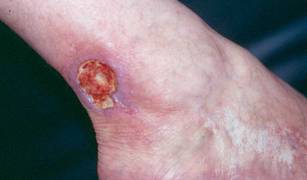
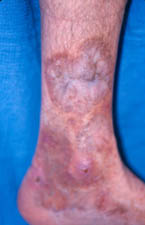
As is true with other forms of vasculitis that involve the skin, cutaneous lesions can erupt on various areas of the body in RV, with a predilection for the lower extremities. Typical findings include ulcers concentrated near the ankles.

Figure: Cutaneous ulcer – an open skin sore caused by an obstruction of the small blood vessels in the superficial ulcers or obstruction of medium vessels in a deeper ulcer.

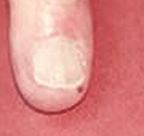
Small nail fold infarcts (small spots around fingernail) can

occur in rheumatoid arthritis

but these do not necessarily signify the presence of systemic vasculitis and do not necessitate a change in rheumatoid arthritis treatment.

Nerve damage can cause foot or wrist drop, known in medical terminology as “mononeuritis multiplex”. The images below show a patient with a right wrist drop and a patient with right foot drop. This condition, which may be significantly disabling, is often preceded by a change in sensation in the same area (numbness, tingling, burning, or pain). These abnormal sensations can progress to muscle weakness, focal paralysis, and eventually to muscle wasting. Recovery from this condition, caused by nerve infarction, can take months. In some cases, recoveries from mononeuritis multiplex are incomplete.

Figures of drop wrist and drop foot (courtesy of the University of North Carolina)

(Video of drop foot viewable on our Microscopic Polyangiitis page under classic symptoms.)

Laboratory Tests

Most laboratory findings in RV – for example, elevations in the erythrocyte sedimentation rate or C-reactive protein – are non-specific, and reflect the presence of a generalized inflammatory state. Hypocomplementemia, anti-nuclear antibodies (ANA), and atypical anti-neutrophil cytoplasmic antibodies (ANCA) are common. Rheumatoid factor levels are usually extremely elevated. However, there is no definitive laboratory test for RV short of a tissue biopsy. The diagnosis must usually be made using a combination of history, physical examination, pertinent laboratory investigations, specialized testing (e.g., nerve conduction studies), and sometimes a tissue biopsy.

Because the treatment implications for RV are major, any diagnostic uncertainty must be met with definitive approaches to establishing the diagnosis. This usually involves biopsy of an involved organ. Deep skin biopsies (full-thickness biopsies that include some subcutaneous fat) taken from the edge of ulcers are very useful in detecting medium-vessel vasculitis. Nerve conduction studies help identify involved nerves for biopsy. Muscle biopsies (e.g., of the gastrocnemius muscle) should be performed at the same time as nerve biopsies, to increase the chance of finding changes characteristic of vasculitis. Imaging studies have no consistent role in the evaluation of RV, although sometimes angiography of the gastrointestinal tract is useful.

What Causes Rheumatoid Vasculitis?

The cause of RV is unknown, but given the prominence of immune components and the pathologic changes in involved blood vessels, an auto-immune process is suggested.

How is Rheumatoid Vasculitis diagnosed?

Most laboratory findings in RV – for example, elevations in the erythrocyte sedimentation rate or C-reactive protein are non-specific, and reflect the presence of a generalized inflammatory state. Hypocomplementemia, anti-nuclear antibodies (ANAs), and atypical anti-neutrophil cytoplasmic antibodies (atypical ANCAs) are common. Rheumatoid factor levels are extremely elevated, as a rule. However, there is no definitive laboratory test for RV short of a tissue biopsy. The diagnosis must usually be made by the combination of history, physical examination, pertinent lab work, other specialized testing (e.g., nerve conduction studies), and sometimes even a tissue biopsy is required.

The diagnosis of RV should be considered in any rheumatoid arthritis patient who develops new constitutional symptoms, skin ulcerations, decreased blood flow to the fingers or toes, symptoms of a sensory or motor nerve dysfunction (numbness, tingling, focal weakness); or any inflammation of the lining around the heart or lungs (pericarditis or pleurisy/pleuritis).

Patients with a history of joint-destructive rheumatoid arthritis are at an increased risk for infection. Therefore, when a rheumatoid arthritis patient presents with a new onset of non-specific systemic complaints an infection must first be eliminated. Patients with rheumatoid arthritis typically have immune systems that are disordered from previous immunosuppression and underlying disease (e.g., joint damage). This patient population, therefore, is at higher risk of infection.

The differential diagnosis of RV includes:

  • Cholesterol embolization syndromes, in which a piece of cholesterol breaks off of a plaque, may cause digital ischemia (blood flow obstruction to a finger or toe), and a host of other symptoms that mimic vasculitis.
  • Diabetes mellitus is another major cause of mononeuritis multiplex, but multiple mononeuropathies occurring over a short period of time are unusual in diabetes.
  • Many clinical features of RV mimic those of polyarteritis nodosa, cryoglobulinemia, and other forms of necrotizing vasculitis. Therefore they too should be considered in this setting.

Because the treatment implications for RV are major, any diagnostic uncertainty must be met with a definitive approach to establishing the diagnosis. As alluded to earlier, this usually involves the biopsy of an involved organ. Deep skin biopsies (full-thickness biopsies that include some subcutaneous fat) taken from the edge of ulcers are very useful in detecting medium-vessel vasculitis. Nerve conduction studies help identify involved nerves for biopsy. Muscle biopsies (e.g., of the gastrocnemius muscle) should be performed at the same time as nerve biopsies, to increase the chance of finding changes characteristic of vasculitis. Imaging studies have no consistent role in the evaluation of RV, although sometimes angiography of the gastrointestinal tract is useful.

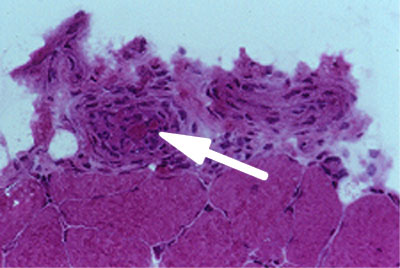
Normally, the cells of the blood vessel wall would be fewer in number (less thick) and the lumen (larger red area) would be larger. The arrow points (Figure 6, left) to an inflamed blood vessel found on a muscle biopsy. The globular pink areas are muscle fibers.

Treatment and Course of Rheumatoid Vasculitis

Therapy should reflect the severity of organ involvement. Prednisone or other steroid therapies are often the first line of treatment. Optimizing treatment of the underlying rheumatoid arthritis is also essential, therefore medications such as methotrexate or tumor necrosis factor inhibitors may be employed. In the setting of impending damage to major organs such as the eyes, a peripheral nerve, the gastrointestinal tract, or of a severe skin ulceration, cyclophosphamide is usually warranted.

What’s New in Rheumatoid Vasculitis?

Compared to other forms of vasculitis, there has been relatively little research in recent years on the specific entity of RV. The lack of similarity in available reports on RV and discrepancies in case definitions have created challenge to building standard approaches to the diagnosis and treatment of this condition. There is some evidence that the incidence of RV has decreased over the past several decades, perhaps because of better treatment of the underlying rheumatoid arthritis.

Polyarteritis Nodosa

  • First Description
  • Who gets Polyarteritis Nodosa (the “typical” patients)?
  • Classic symptoms of Polyarteritis Nodosa
  • What causes Polyarteritis Nodosa?
  • How is Polyarteritis Nodosa diagnosed?
  • Treatment and Course of Polyarteritis Nodosa
  • In medical terms, by David Hellmann, M.D.

First Description

The first description of this disease dates back to 1866 when Kussmaul and Maier identified a condition that consisted of “focal, inflammatory, arterial nodules”. They termed this disorder “periarteritis nodosa” because of the inflammation they observed around the blood vessel wall. The name was changed to polyarteritis nodosa (PAN) to underscore the fact that inflammation throughout the entire arterial wall – not just around the wall – is a major disease feature. Polyarteritis nodosa is sometimes termed “systemic necrotizing vasculitis”, but this term is non-specific as other forms of vasculitis also have systemic and necrotizing features.

Who gets Polyarteritis Nodosa (the “typical” patient)?

Most cases of PAN occur in the 4th or 5th decade, although it can occur at any age. Men are twice as likely to be affected than women. A minority of patients with PAN have an active hepatitis B infection. In the rest of the cases, the cause(s) is presently unknown, and the disease is said to be “idiopathic” in nature.

Classic symptoms and signs of Polyarteritis Nodosa

PAN is a multisystem disease that may present with fever, sweats, weight loss, and severe muscle and joint aches/pains. PAN may develop in a subacute fashion, over several weeks or months. Patients may have nonspecific complaints such as fever, malaise, weight loss, anorexia, and abdominal pain. The disease can affect nearly any site in the body, but it has a predisposition for organs such as the skin, kidney, nerves, and gastrointestinal tract. Many patients with PAN have high blood pressure and elevated erythrocyte sedimentation rates (ESR). The presentation of PAN may also include skin abnormalities (rash, ulcers) and peripheral neuropathy (pain, the sensations of burning, tingling, or numbness, or weakness in a hand or foot). However, the disease has a predilection for certain organs and tissues; these are described below.

  • Nerve
  • Skin
  • Kidney
  • Gastrointestinal tract
  • Heart
  • Eye
  • Genitals

Nerve

  • Peripheral neuropathies are very common (50 to 70%). This includes tingling, numbness and/or pain in the hands, arms, feet, and legs.
  • Central nervous system (CNS) lesions may occur 2 to 3 years after the onset of PAN and may lead to cognitive dysfunction, decreased alertness, seizures and neurologic deficits.

Skin

  • Skin abnormalities are very common in PAN and may include purpura, livedo reticularis, ulcers, nodules or gangrene.
  • Skin involvement occurs most often on the legs and is very painful.

Kidney

  • Renal artery vasculitis may lead to protein in the urine, impaired kidney function, and hypertension.
  • Small percentage of patients go on to require dialysis.

Gastrointestinal Tract

  • Abdominal pain, gastrointestinal bleeding (occasionally is mistaken for inflammatory bowel disease)
  • Hemorrhage, bowel infarction, and perforation are rare, but very serious

Heart

  • Clinical involvement of the heart does not usually cause symptoms.
  • However, some patients develop myocardial infarctions (heart attacks) or congestive heart failure.

Eye

  • Scleritis or inflammation in the sclera (white part of the eye)

Genitals

  • Testicular infarction

What causes Polyarteritis Nodosa?

Hepatitis B causes a minority of cases of PAN. With the availability of hepatitis B vaccine now, cases of PAN caused by hepatitis B are now rare in the developed world. It is possible that other infections contribute to other cases of PAN, but links between other infections and this disease remain conjectural at the present time.

How is Polyarteritis Nodosa Diagnosed?

Routine laboratory tests may provide important clues to PAN, but there is no single blood test that is diagnostic of this disease. Most patients with PAN have elevated ESRs. Proteinuria (protein in the urine) is common among those with kidney involvement.

If there is skin or muscle/nerve involvement, a skin or muscle/nerve biopsy can be extremely helpful in coming to a definite diagnosis of PAN. Nerve conduction studies are a non-invasive way of identifying nerves that are involved by the inflammation. (These nerves can then be biopsied to confirm the diagnosis). The diagnosis is confirmed by a biopsy showing pathologic changes in medium-sized arteries. The biopsy site may vary. Most biopsies are taken from skin, symptomatic nerve, or muscle. An angiogram of the abdominal blood vessels may also be very helpful in diagnosing PAN. Aneurysms most often affect the arteries leading to the kidneys, liver or gastrointestinal tract.

The American College of Rheumatology (ACR) has established criteria that should be fulfilled if a patient is to be included in a research study of PAN. The criteria are designed to differentiate PAN from other forms of vasculitis. Not all patients have all criterion. Some, in fact, may have only 2 or 3 criteria, yet their physicians are still comfortable classifying their disease as PAN. A committee of ACR physicians selected 10 disease features (criteria) as being those that best distinguish PAN from other vasculitides. In order to be classified as a PAN patient – for the purpose of research studies – a patient should have at least 3 of the 10 ACR criteria.

The American College of Rheumatology 1990 criteria for the classification of Polyarteritis Nodosa

  1. Weight loss of > 4 kg since beginning of illness
  2. Livedo reticularis
  3. Testicular pain or tenderness
  4. Myalgias, weakness, or leg tenderness
  5. Mononeuropathy or polyneuropathy
  6. Development of hypertension
  7. Elevated BUN or creatinine unrelated to dehydration or obstruction
  8. Presence of hepatitis B surface antigen or antibody in serum
  9. Arteriogram demonstrating aneurysms or occlusions of the visceral arteries
  10. Biopsy of small or medium-sized artery containing granulocytes

Treatment and Course of Polyarteritis Nodosa

Treatment of PAN has improved dramatically in the past couple of decades. Before the availability of effective therapy, untreated PAN was usually fatal within weeks to months. Most deaths occurred as a result of kidney failure, heart or gastrointestinal complications. However, effective treatment is now available for PAN. After diagnosis, patients are treated with high doses of corticosteroids. Other immunosuppressive drugs are also added for patients who are especially ill. In most cases of PAN now, if diagnosed early enough the disease can be controlled, and often cured.

In medical terms, by David Hellmann, M.D.

A discussion of Polyarteritis Nodosa written in medical terms by David Hellmann, M.D. (F.A.C.P.), for the Rheumatology Section of the Medical Knowledge Self–Assessment Program published and copyrighted by the American College of Physicians (Edition 11, 1998). The American College of Physicians has given us permission to make this information available to patients contacting our Website.

Polyarteritis nodosa is a small– and medium–sized arteritis affecting multiple organs, especially the skin, peripheral nerve, gut, kidney, and heart. The age of onset ranges from childhood to late adulthood but averages 40 years. Polyarteritis nodosa has been associated with active hepatitis B, hepatitis C, or both; therefore, the disease is more common in injection drug users.

Polyarteritis nodosa is probably mediated by deposition of immune complexes. Evidence includes the observation that patients with polyarteritis nodosa associated with hepatitis B or hepatitis C have immune complexes consisting of immunoglobulin and viral antigens circulating in the blood and deposited in inflamed vessels. Moreover, antiviral therapy can remit the vasculitis in some of these patients.

The onset is gradual over weeks to months, and the initial symptoms are often nonspecific. The earliest clues that the patient has vasculitis come usually from the skin (where vasculitis may appear as palpable purpura, livedo reticularis, digital gangrene, or tender nodules), or the peripheral nervous system (where infarction of one mixed motor and sensory nerve after another results in mononeuritis multiplex, one of the most specific clues that a patient has vasculitis). Renal involvement eventually develops in most and is accompanied by hypertension in half of patients, whereas Granulomatosis with Polyangiitis
rarely elevates the blood pressure. Polyarteritis nodosa also commonly involves the gut (abdominal angina, hemorrhage, perforation), heart (myocarditis, myocardial infarction), or eye (scleritis). Rupture of renal or mesenteric micoaneurysms can simulate an acute abdomen.

Confirming the diagnosis requires either biopsy specimen showing small– or medium–sized arteries, or mesenteric arteriography showing microaneurysms or alternating areas of stenosis and dilation. Biopsy of a symptomatic nerve or a symptomatic muscle is 65% sensitive, whereas biopsy of an asymptomatic site is less than 30% sensitive. Because mesenteric angiography is 60% sensitive, it should be done when there is not a symptomatic site to biopsy. Renal biopsy should be avoided unless angiography rules out microaneurysms susceptible to rupture.

Without treatment, almost all affected patients die within 2 to 5 years. Treatment with prednisone (starting at 1 mg/kg daily) and cyclophosphamide (2 mg/kg daily) appeared to revolutionize the outcome of polyarteritis nodosa by achieving 70% 10–year survivals and established this combination of agents as the standard therapy. However, newer studies suggest that prednisone alone may achieve the same high survival as prednisone and cyclophosphamide, although flares were less frequent in patients taking cyclophosphamide. Other studies indicate that the traditional therapy with prednisone and cyclophosphamide should be abandoned in patients with polyarteritis nodosa associated with hepatitis B. Patients treated with the traditional combination respond, but almost all survivors become chronic carriers of hepatitis B and may die later of cirrhosis or variceal bleeding. The newly propsed regimen consists of 2 weeks of prednisone to control the vasculitis, followed by plasmapheresis to remove immune complexes, and accompanied by antiviral therapy with lamivudine to rid the patient of the hepatitis B infection. The long–term value of anti–viral therapy for polyarteritis nodosa associated with hepatitis C is not established.

Types of Vasculitis

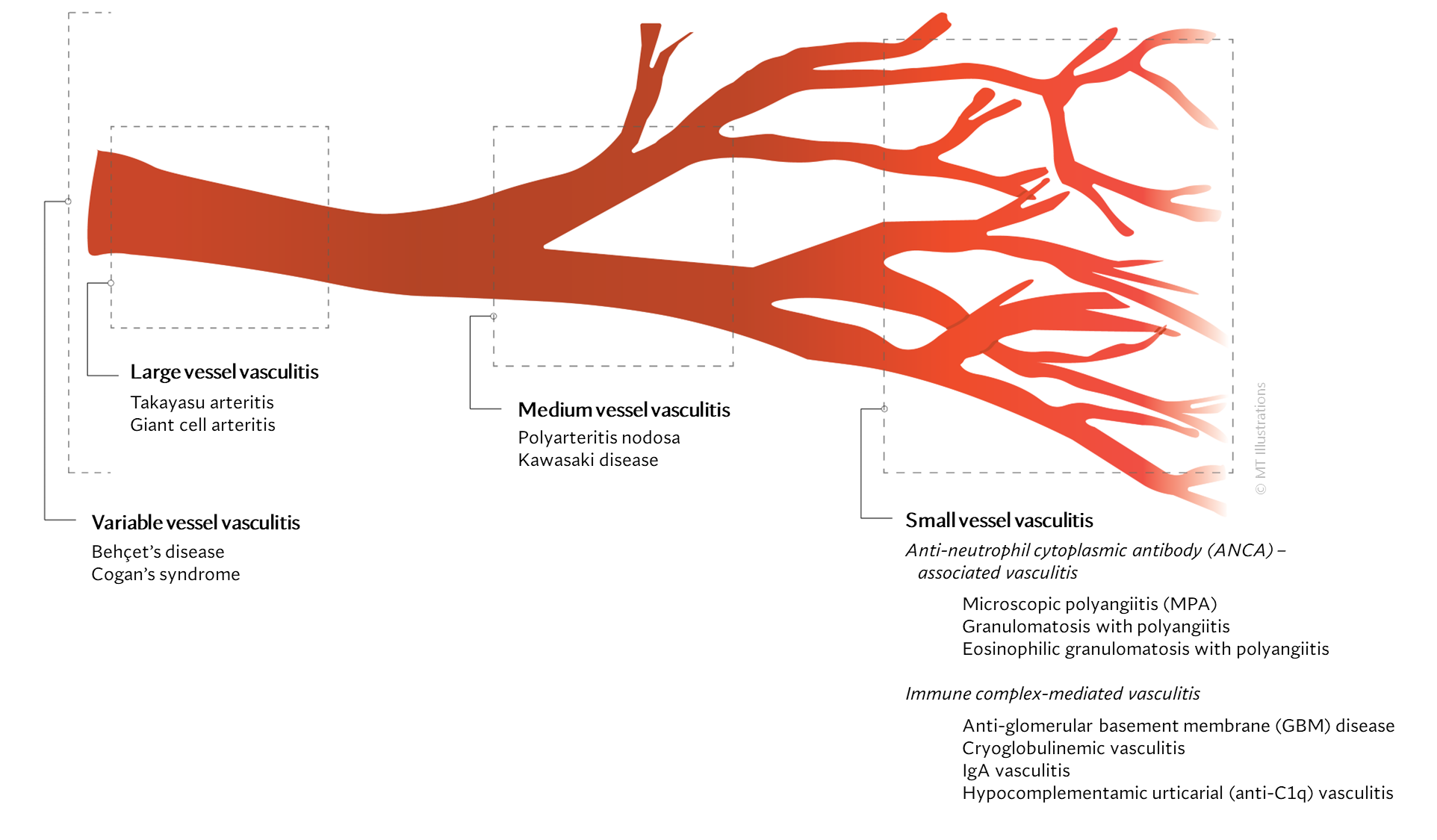
There are approximately 20 different disorders that are classified as “vasculitis”. “Angiitis” and “Arteritis” are both synonyms for vasculitis, literally meaning “inflammation within blood vessels” or “inflammation in arteries.”  Because there are so many types of vasculitis, the group is sometimes referred to in the plural: vasculitides (pronounced “vas que lit’ i deez”).

There are many different types of diseases that belong to this category. Although the diseases are similar in some ways, they often differ with respect to which organs are affected, which medications are used to treat them, and other characteristics.

In general, vasculitis can be grouped based on the size of the blood vessels that are
mainly affected. However, it is important to keep in mind that any sized blood vessels can be
involved.

Large vessel vasculitis (LVV)
LVV is characterized by inflammation of the largest-sized blood vessels of the body such
as the aorta, major arteries that deliver blood to distant parts of the body. They also include
large veins that deliver blood back to the heart. These are:

  • Takayasu arteritis
  • Giant cell arteritis

Medium vessel vasculitis (MVV)
MVV is inflammation of the medium-sized blood vessels including arterioles and smaller
veins.

  • Polyarteritis nodosa
  • Kawasaki disease

Small vessel vasculitis (SVV)
SVV affects the smallest blood vessels of the body called capillaries and venules. SVV
involves inflammation mediated by autoantibodies (antibodies are molecules that usually coats
bacteria and viruses; however, in autoimmune disease, they bind to cells and proteins normally
found in the body, hence the name, autoantibodies). These antibodies can deposit in small vessels
causing restriction of blood flow to tissue.
They can be of two types:

(1) Anti-neutrophil cytoplasmic antibody (ANCA)-associated vasculitis (AAV)

  • Microscopic polyangiitis (MPA)
  • Granulomatosis with polyangiitis (GPA)
  • Eosinophilic granulomatosis with polyangiitis (EGPA)


(2) Immune complex small vessel vasculitis

  • Anti-glomerular basement membrane
  • Cryoglobulinemic vasculitis
  • IgA vasculitis
  • Hypocomplementamic urticarial vasculitis (anti-C1q vasculitis)

Variable vessel vasculitis (VVV)
This type of vasculitis can involve inflammation of blood vessels of any size.

  • BehÇet’s disease
  • Cogan’s syndrome

Others:

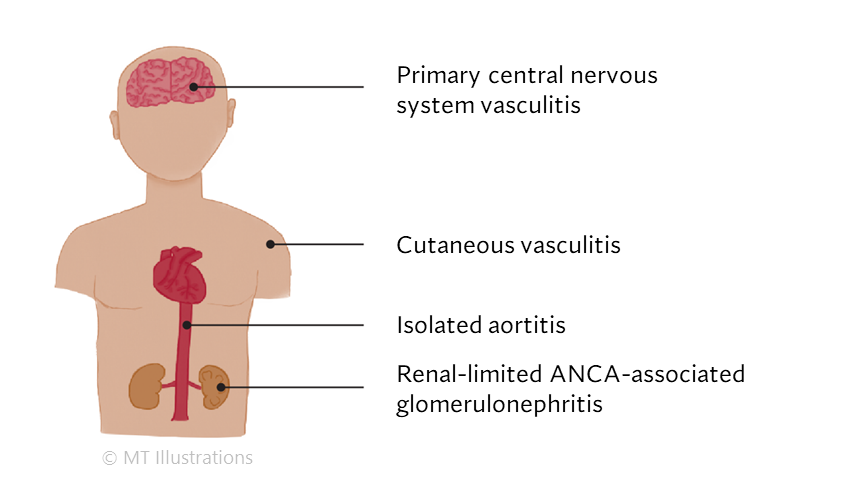
Single-organ vasculitis (SOV):
SOV is inflammation affecting the blood vessels that feed a single organ, such as the brain or skin.

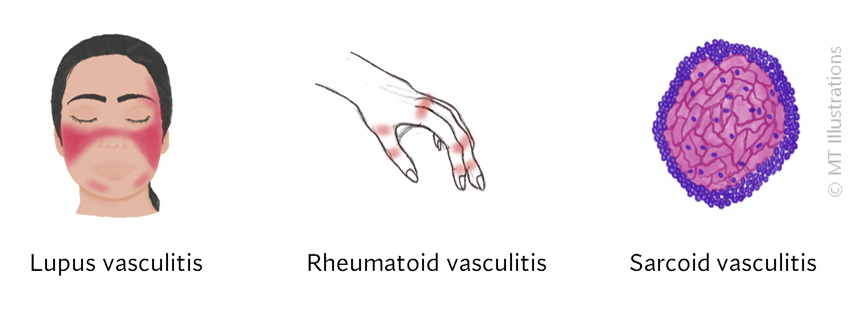
Vasculitis associated with another autoimmune disease:
Vasculitis can occur in conjunction with other autoimmune diseases, such as lupus or sarcoidosis.

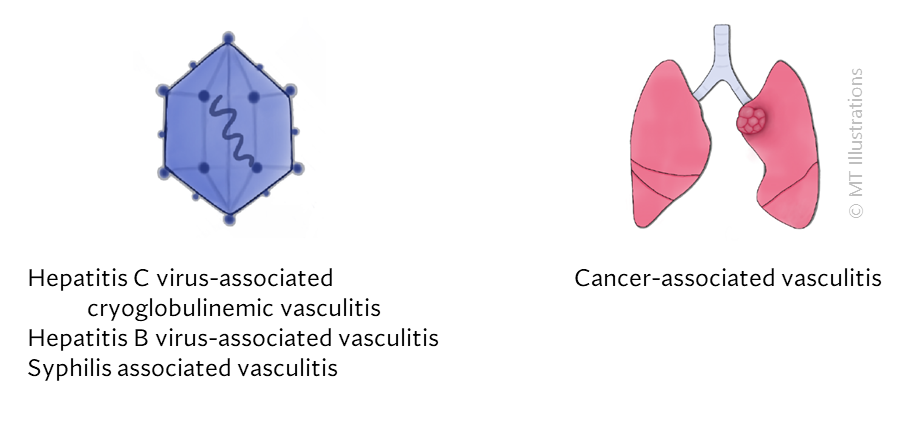
Vasculitis associated with other diseases:
Other diseases, such as infections and cancer, can cause systemic vasculitis as well.
Vasculitis as a side effect of drugs:
Certain drugs, such as hydralazine and cocaine, can cause vasculitis.

Prednisone

Prednisone is a corticosteroid with potent anti-inflammatory effects. Corticosteroids are a cornerstone of treating most types of vasculitis, and are often used in combination with other immunosuppressive medications. Prednisone works very quickly, and is therefore used (often at high doses) at the time of initial diagnosis to bring vasculitis under control. Then, prednisone is gradually reduced (“tapered”) while another immunosuppressive drug is started for long term treatment. Over time, the “steroid-sparing” immunosuppressive drug is used to control vasculitis, and prednisone is eventually stopped.

Side Effects

Corticosteroids cause a long list of side effects, making it dangerous to use these drugs at significant doses for long term treatment. The side effects of prednisone are related to: 1) the amount of steroid a patient takes in his/her daily dose, and 2) the length of time the patient remains on the medication. We emphasize that not all side effects occur in all patients.

Despite the numerous potential side effects of corticosteroids listed below, their introduction into patient care more than 50 years ago revolutionized the treatment of many diseases, including vasculitis. When used properly, these drugs save lives and avert threats to the function of important organs.

Common Side Effects of Steroids:

  • Increased Susceptibility to Infections
  • Weight Gain
  • Glucose Intolerance
  • Hypertension
  • Bone Thinning
  • Avascular Necrosis of bone
  • Easy Bruising
  • Abdominal Striae
  • Hirsutism
  • Acne
  • Mood Swings/Insomnia
  • Cataracts

Increased Susceptibility to Infections

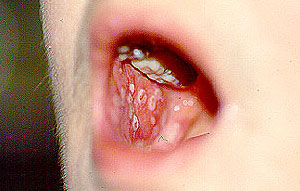
Patients are at increased risk for many types of infections, from minor fungal infections in the mouth (“thrush”, caused by Candida) to life–threatening infections such as Pneumocystis carinii pneumonia. The higher the steroid dose and the longer the duration of therapy, the greater the risk of infection. The risk is also increased when patients receive combinations of immunosuppressive medications, such as cyclophosphamide (cytoxan) and prednisone. The risk of some infections can be greatly reduced by taking specific types of antibiotics prophylactically (such as Bactrim).

Pictured below is woman under treatment with prednisone and methotrexate for vasculitis and a concurrent neurologic condition (myasthenia gravis) developed painful vesicles in her mouth. The vesicles were confirmed by culture to be caused by reactivation of a Herpes simplex infection, and responded to treatment with acyclovir.

Weight Gain

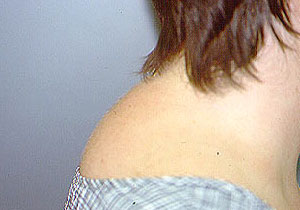
Weight gain is usually the most dreaded side–effects of steroids, incurred to some degree by nearly all patients who take them. The amount of weight gain varies from individual to individual. In addition to causing weight gain, prednisone leads to a redistribution of body fat to places that are undesirable, particularly the face, back of the neck, and abdomen. Pictured below is an example of redistribution of body fat to the back of the neck. Accumulation of fat in this area is sometimes referred to as a “buffalo hump”.

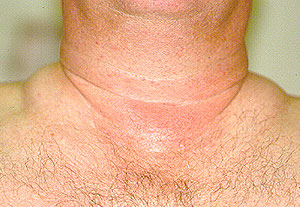
Another example of this “redistribution” is pictured below. Supraclavical “fat pads” are collections of fat at the base of the neck, just above the collarbones, which are common in patients on steroids. They sometimes cause concern among patients if mistaken for lymph nodes or other causes for worry, but will gradually subside as the prednisone dose is tapered to below 10 milligrams/day.

In addition to this redistribution of fat, many patients undergo loss of muscle strength (muscle atrophy) while taking steroids. Regular physical exercise is key to avoiding this type of deconditioning that often occurs with prednisone treatment.

Glucose Intolerance

High blood sugar, or steroid–induced diabetes. Patients who are “pre-diabetic” can develop diabetes and the need for insulin while taking steroids. This usually resolves when the steroids are decreased or discontinued, but can be worsened by weight gain.

Hypertension

High blood pressure. This usually improves as the corticosteroid dose is reduced.

Bone Thinning (Osteoporosis)

Prednisone may cause thinning of the bones even in people who are not usually at high risk for osteoporosis (for example: males, young people). In people susceptible to osteoporosis, prednisone may accelerate the process of bone loss. Fortunately, in the past few years, excellent treatments and preventive measures have become available for osteoporosis. All patients on prednisone for prolonged periods are candidates for these medicines. Patients should be aware of their daily intake of calcium and Vitamin D while on steroids. Bone density measurement is commonly done using DEXA scans.

Avascular Necrosis of Bone

For reasons that are not known, high dose prednisone (for example, greater than 20 milligrams a day) predisposes some patients to joint damage, most often of the hips. In avascular necrosis (or osteonecrosis, meaning “bone death”) of the hip, the part of the leg bone that inserts into the pelvis dies, resulting in pain with weight–bearing and some loss of joint function. Many patients with avascular necrosis require joint replacements.

Easy Bruising

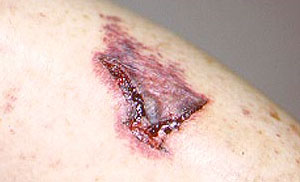
Prednisone also causes “thin skin”. Patients on moderate to high doses of prednisone often notice that they bruise easily, even with only slight trauma. Pictured below is a patient with giant cell arteritis who suffered a skin laceration after she struck her leg against a chair.

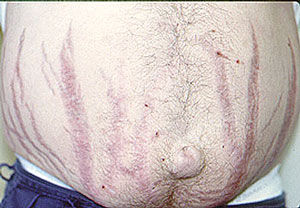
Abdominal Striae

Abdominal striae (“stripes”), as pictured below, frequently occur in patients who take high doses of steroids for long periods of time.

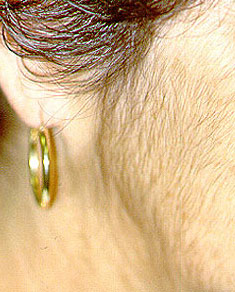
Hirsutism

Hirsutism is excessive growth of body hair. Patients vary in the degree to which this side effect of steroids occurs. Although some patients experience minimal hirsutism, the patient depicted below developed this side effect after taking 10 milligrams of prednisone for a few months.

Acne

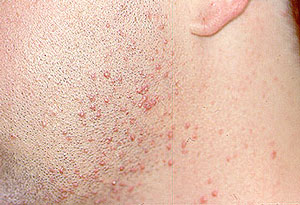
High dose prednisone predisposes some patients to acne, especially facial acne, as pictured below. The facial acne developed after several weeks of high steroid doses.

Mood Swings/Insomnia

Many patients find it difficult to fall asleep when taking high doses of steroids. Many also find that they are more irritable or anxious than usual. Steroids sometimes even induce depression or psychosis, which usually improves when the drug is decreased or discontinued.

Cataracts

Long–term steroid use may lead to cataract development in the eyes, which frequently require surgical removal.

  • « Go to Previous Page
  • Go to page 1
  • Go to page 2
  • Go to page 3
  • Go to page 4
  • Go to page 5
  • Go to Next Page »

Primary Sidebar


donate to the Johns Hopkins Vasculitis Center

All information contained within the Johns Hopkins Vasculitis Center website is intended for educational purposes only. Visitors are encouraged to consult other sources and confirm the information contained within this site. Consumers should never disregard medical advice or delay in seeking it because of something they may have read on this website.
Footer

Johns Hopkins Rheumatology

  • Johns Hopkins Rheumatology
  • Johns Hopkins Arthritis Center
  • Johns Hopkins Lupus Center
  • Johns Hopkins Lyme Disease Research Center
  • Johns Hopkins Myositis Center

  • Johns Hopkins Scleroderma Center
  • Johns Hopkins Sjögren’s Syndrome Center

Connect With Us

  • Facebook
  • Twitter
  • YouTube
U.S. News and World Report Rankings Badge

Johns Hopkins Medicine Johns Hopkins Medicine logo
Language Assistance Available:
  • Español
  • American Sign Language
  • עִברִי
  • אידיש
  • አማርኛ
  • 繁體中文
  • Français
  • Tagalog
  • Русский
  • Português
  • Italiano
  • Tiếng Việt
  • Ɓàsɔ́ɔ̀-wùɖù-po-nyɔ̀
  • Igbo asusu
  • èdè Yorùbá
  • বাংলা
  • 日本語
  • 한국어
  • Kreyòl Ayisyen
  • العربية
  • Deutsch
  • Polski
  • Ελληνικά
  • ગુજરાતી
  • ภาษาไทย
  • اُردُو
  • فارسی
  • हिंदी
  • Deitsch
  • ខ្មែរ
  • မြန်မာ
Contact & Privacy Information
Price Transparency
Notice of Privacy Practices Privacy Statement
Terms & Conditions of Use Non-Discrimination Notice
Manage Cookie Preferences
Copyright © 2025 Johns Hopkins Rheumatology