• Skip to primary navigation
  • Skip to main content
  • Skip to primary sidebar
  • Skip to footer

Johns Hopkins Vasculitis Center

Show Search
Hide Search
  • About Our Center
    • Appointments and Directions
    • Meet Our Team
    • Support Our Center
  • What is Vasculitis?
    • Types of Vasculitis
    • Causes of Vasculitis
    • Symptoms of Vasculitis
    • Diagnosing Vasculitis
  • Vasculitis Treatments
    • Prednisone
    • Avacopan (Tavneos®)
    • Apremilast (Otezla®)
    • Azathioprine
    • Colchicine
    • Cyclophosphamide (Cytoxan)
    • Dapsone
    • Supplemental Immunoglobulin (IVIG/SCIG)
    • Leflunomide
    • Mepolizumab (Nucala®)
    • Methotrexate (MTX)
    • Mycophenolate
    • Rituximab
    • Sarilumab (Kevzara®)
    • TNF Inhibitors
    • Tocilizumab (Actemra®)
  • Vasculitis Research
  • Resources
Home / Search for "search.html/whatis/diagnosis.html/page/polyarteritis.html"

Search Results for: search.html/whatis/diagnosis.html/page/polyarteritis.html

Types of Vasculitis

There are approximately 20 different disorders that are classified as “vasculitis”. “Angiitis” and “Arteritis” are both synonyms for vasculitis, literally meaning “inflammation within blood vessels” or “inflammation in arteries.”  Because there are so many types of vasculitis, the group is sometimes referred to in the plural: vasculitides (pronounced “vas que lit’ i deez”).

There are many different types of diseases that belong to this category. Although the diseases are similar in some ways, they often differ with respect to which organs are affected, which medications are used to treat them, and other characteristics.

In general, vasculitis can be grouped based on the size of the blood vessels that are
mainly affected. However, it is important to keep in mind that any sized blood vessels can be
involved.
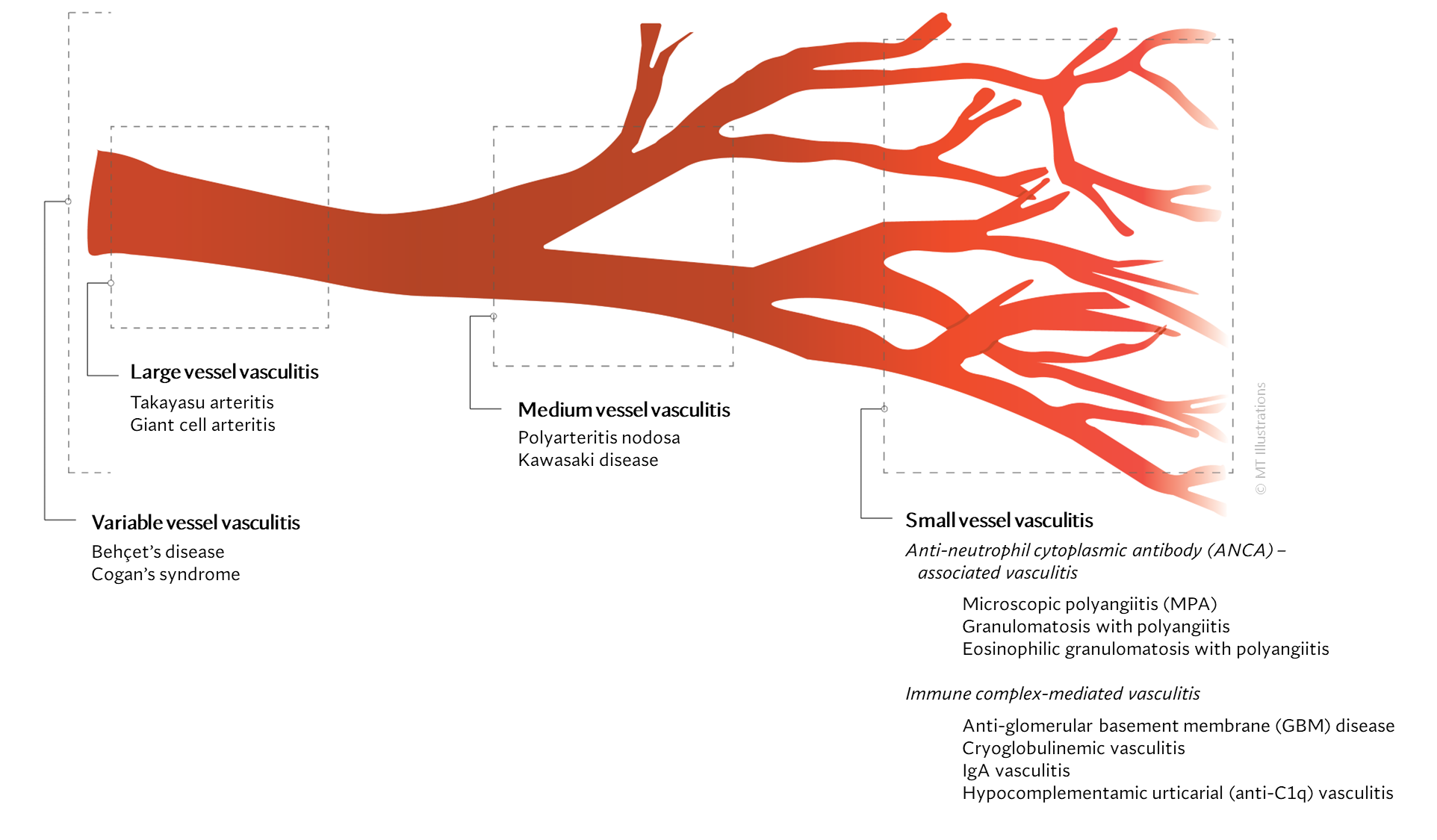
Large vessel vasculitis (LVV)
LVV is characterized by inflammation of the largest-sized blood vessels of the body such
as the aorta, major arteries that deliver blood to distant parts of the body. They also include
large veins that deliver blood back to the heart. These are:

  • Takayasu arteritis
  • Giant cell arteritis

Medium vessel vasculitis (MVV)
MVV is inflammation of the medium-sized blood vessels including arterioles and smaller
veins.

  • Polyarteritis nodosa
  • Kawasaki disease

Small vessel vasculitis (SVV)
SVV affects the smallest blood vessels of the body called capillaries and venules. SVV
involves inflammation mediated by autoantibodies (antibodies are molecules that usually coats
bacteria and viruses; however, in autoimmune disease, they bind to cells and proteins normally
found in the body, hence the name, autoantibodies). These antibodies can deposit in small vessels
causing restriction of blood flow to tissue.
They can be of two types:

(1) Anti-neutrophil cytoplasmic antibody (ANCA)-associated vasculitis (AAV)

  • Microscopic polyangiitis (MPA)
  • Granulomatosis with polyangiitis (GPA)
  • Eosinophilic granulomatosis with polyangiitis (EGPA)


(2) Immune complex small vessel vasculitis

  • Anti-glomerular basement membrane
  • Cryoglobulinemic vasculitis
  • IgA vasculitis
  • Hypocomplementamic urticarial vasculitis (anti-C1q vasculitis)

Variable vessel vasculitis (VVV)
This type of vasculitis can involve inflammation of blood vessels of any size.

  • BehÇet’s disease
  • Cogan’s syndrome

Others:

Single-organ vasculitis (SOV):
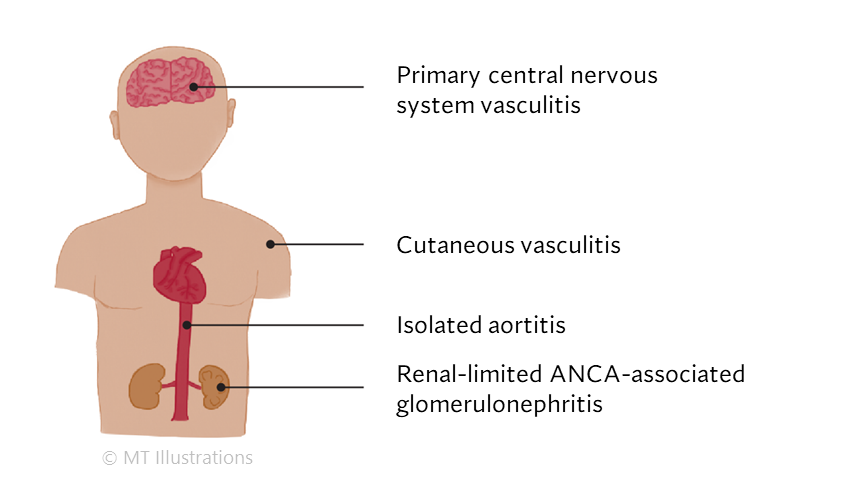
SOV is inflammation affecting the blood vessels that feed a single organ, such as the brain or skin.
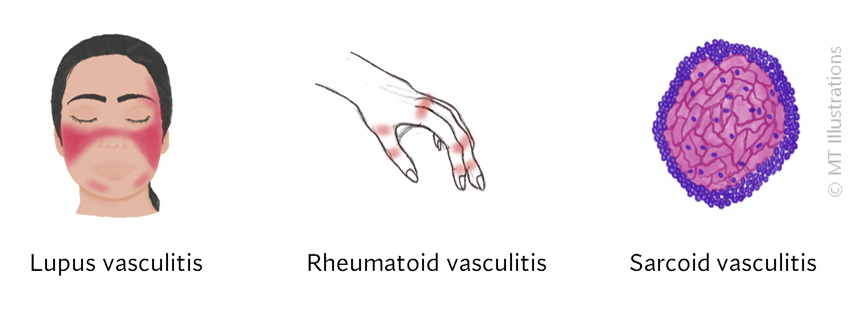
Vasculitis associated with another autoimmune disease:
Vasculitis can occur in conjunction with other autoimmune diseases, such as lupus or sarcoidosis.
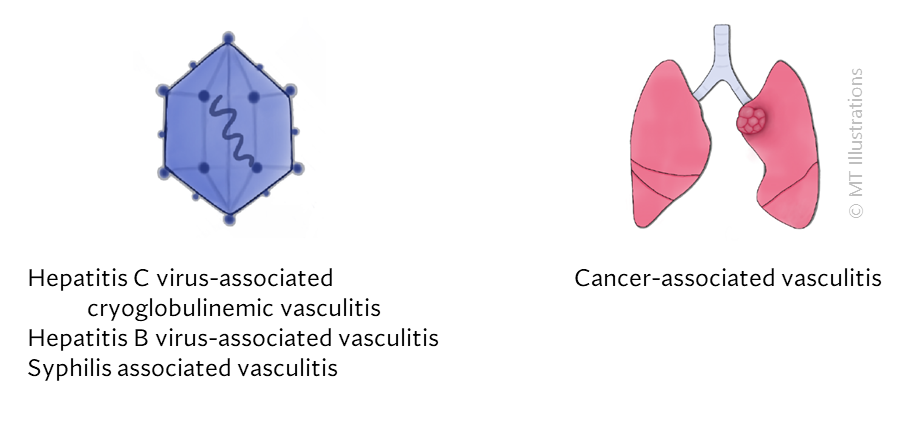
Vasculitis associated with other diseases:
Other diseases, such as infections and cancer, can cause systemic vasculitis as well.

Vasculitis as a side effect of drugs:
Certain drugs, such as hydralazine and cocaine, can cause vasculitis.
Prednisone

Prednisone is a corticosteroid with potent anti-inflammatory effects. Corticosteroids are a cornerstone of treating most types of vasculitis, and are often used in combination with other immunosuppressive medications. Prednisone works very quickly, and is therefore used (often at high doses) at the time of initial diagnosis to bring vasculitis under control. Then, prednisone is gradually reduced (“tapered”) while another immunosuppressive drug is started for long term treatment. Over time, the “steroid-sparing” immunosuppressive drug is used to control vasculitis, and prednisone is eventually stopped.

Side Effects

Corticosteroids cause a long list of side effects, making it dangerous to use these drugs at significant doses for long term treatment. The side effects of prednisone are related to: 1) the amount of steroid a patient takes in his/her daily dose, and 2) the length of time the patient remains on the medication. We emphasize that not all side effects occur in all patients.

Despite the numerous potential side effects of corticosteroids listed below, their introduction into patient care more than 50 years ago revolutionized the treatment of many diseases, including vasculitis. When used properly, these drugs save lives and avert threats to the function of important organs.

Common Side Effects of Steroids:

  • Increased Susceptibility to Infections
  • Weight Gain
  • Glucose Intolerance
  • Hypertension
  • Bone Thinning
  • Avascular Necrosis of bone
  • Easy Bruising
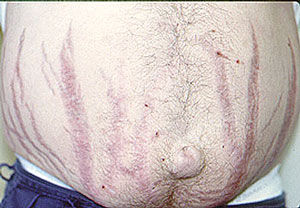
  • Abdominal Striae
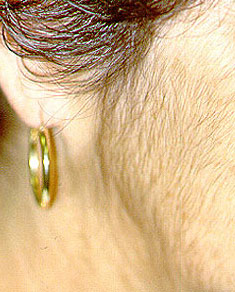
  • Hirsutism
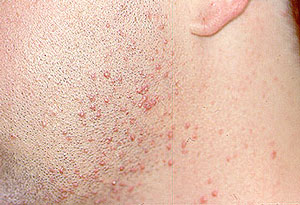
  • Acne
  • Mood Swings/Insomnia
  • Cataracts

Increased Susceptibility to Infections

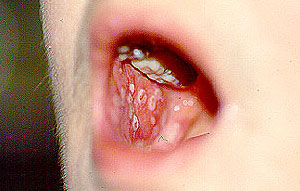
Patients are at increased risk for many types of infections, from minor fungal infections in the mouth (“thrush”, caused by Candida) to life–threatening infections such as Pneumocystis carinii pneumonia. The higher the steroid dose and the longer the duration of therapy, the greater the risk of infection. The risk is also increased when patients receive combinations of immunosuppressive medications, such as cyclophosphamide (cytoxan) and prednisone. The risk of some infections can be greatly reduced by taking specific types of antibiotics prophylactically (such as Bactrim).

Pictured below is woman under treatment with prednisone and methotrexate for vasculitis and a concurrent neurologic condition (myasthenia gravis) developed painful vesicles in her mouth. The vesicles were confirmed by culture to be caused by reactivation of a Herpes simplex infection, and responded to treatment with acyclovir.

Weight Gain

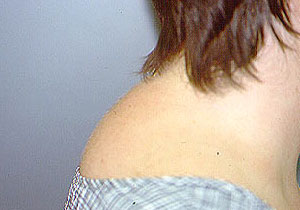
Weight gain is usually the most dreaded side–effects of steroids, incurred to some degree by nearly all patients who take them. The amount of weight gain varies from individual to individual. In addition to causing weight gain, prednisone leads to a redistribution of body fat to places that are undesirable, particularly the face, back of the neck, and abdomen. Pictured below is an example of redistribution of body fat to the back of the neck. Accumulation of fat in this area is sometimes referred to as a “buffalo hump”.

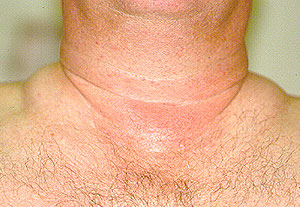
Another example of this “redistribution” is pictured below. Supraclavical “fat pads” are collections of fat at the base of the neck, just above the collarbones, which are common in patients on steroids. They sometimes cause concern among patients if mistaken for lymph nodes or other causes for worry, but will gradually subside as the prednisone dose is tapered to below 10 milligrams/day.

In addition to this redistribution of fat, many patients undergo loss of muscle strength (muscle atrophy) while taking steroids. Regular physical exercise is key to avoiding this type of deconditioning that often occurs with prednisone treatment.

Glucose Intolerance

High blood sugar, or steroid–induced diabetes. Patients who are “pre-diabetic” can develop diabetes and the need for insulin while taking steroids. This usually resolves when the steroids are decreased or discontinued, but can be worsened by weight gain.

Hypertension

High blood pressure. This usually improves as the corticosteroid dose is reduced.

Bone Thinning (Osteoporosis)

Prednisone may cause thinning of the bones even in people who are not usually at high risk for osteoporosis (for example: males, young people). In people susceptible to osteoporosis, prednisone may accelerate the process of bone loss. Fortunately, in the past few years, excellent treatments and preventive measures have become available for osteoporosis. All patients on prednisone for prolonged periods are candidates for these medicines. Patients should be aware of their daily intake of calcium and Vitamin D while on steroids. Bone density measurement is commonly done using DEXA scans.

Avascular Necrosis of Bone

For reasons that are not known, high dose prednisone (for example, greater than 20 milligrams a day) predisposes some patients to joint damage, most often of the hips. In avascular necrosis (or osteonecrosis, meaning “bone death”) of the hip, the part of the leg bone that inserts into the pelvis dies, resulting in pain with weight–bearing and some loss of joint function. Many patients with avascular necrosis require joint replacements.

Easy Bruising

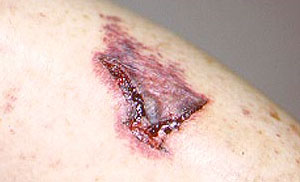
Prednisone also causes “thin skin”. Patients on moderate to high doses of prednisone often notice that they bruise easily, even with only slight trauma. Pictured below is a patient with giant cell arteritis who suffered a skin laceration after she struck her leg against a chair.

Abdominal Striae

Abdominal striae (“stripes”), as pictured below, frequently occur in patients who take high doses of steroids for long periods of time.

Hirsutism

Hirsutism is excessive growth of body hair. Patients vary in the degree to which this side effect of steroids occurs. Although some patients experience minimal hirsutism, the patient depicted below developed this side effect after taking 10 milligrams of prednisone for a few months.

Acne

High dose prednisone predisposes some patients to acne, especially facial acne, as pictured below. The facial acne developed after several weeks of high steroid doses.

Mood Swings/Insomnia

Many patients find it difficult to fall asleep when taking high doses of steroids. Many also find that they are more irritable or anxious than usual. Steroids sometimes even induce depression or psychosis, which usually improves when the drug is decreased or discontinued.

Cataracts

Long–term steroid use may lead to cataract development in the eyes, which frequently require surgical removal.

Henoch-Schönlein Purpura

  • Fast Facts
  • First Description
  • Who gets Henoch-Schönlein Purpura (the “typical” patients)?
  • What causes Henoch-Schönlein Purpura?
  • How is Henoch-Schönlein Purpura diagnosed?
  • Treatment and Course of Henoch-Schönlein Purpura
  • Living with Henoch-Schönlein Purpura

Fast Facts

  • HSP is usually self-limited. Therefore, treatment is not indicated in all cases, and full recovery is the rule.
  • HSP is more common in children than adults, but has a tendency to be more severe when it occurs in adults.
  • In a small minority of cases, HSP can cause severe kidney or bowel disease.

First Description

Dr. William Heberden, a London physician, described the first cases of Henoch-Schönlein purpura (HSP) in 1801. In describing HSP, Heberden wrote of a 5-year old boy who “…was seized with pains and swellings in various parts…He sometimes had pains in his belly with vomiting…and the urine was tinged with blood. Presently, the skin of his leg was all over full of bloody points” (purpura). The young boy suffered all four disease hallmarks of HSP: arthritis, gastrointestinal involvement, kidney inflammation, and purpura. Johann Schönlein (1837) and Edouard Henoch (1874) reported additional cases decades after Heberden. They recognized that the disorder often followed upper respiratory tract infections and was not always self-limited, sometimes progressing to serious kidney involvement.

Who gets Henoch-Schönlein Purpura (the “typical” patient)?

Usually, HSP affects a child shortly after an upper respiratory infection has resolved.

HSP is the most common form of vasculitis in children, with an annual incidence on the order of 140 cases/million persons. The mean age of patients with HSP is 5.9 years.

What causes Henoch-Schönlein Purpura?

In two-thirds of the cases, the disease follows an upper respiratory tract infection, with onset an average of ten days after the start of respiratory symptoms. Despite this association, no single microorganism or environmental exposure has been confirmed as an important cause of HSP.

How is Henoch-Schönlein Purpura Diagnosed?

Purpura not due to a low platelet count, caused by inflammation in blood vessels of the skin, is the hallmark of HSP. The tetrad of purpura, arthritis, kidney inflammation, and abdominal pain is often observed. However, all four elements of this tetrad are not required for diagnosis. The microscopic hallmark of HSP is the deposition of IgA (an antibody found in blood, saliva, tears, etc.) in the walls of involved blood vessels.

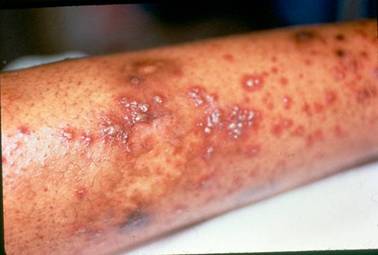
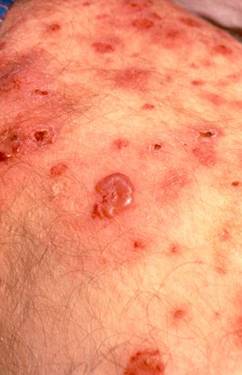
More than 90% of cases occur in children. The disease usually resolves within a few weeks. However, adult cases are sometimes more difficult. Skin manifestations are more variable in adults, and sometimes symptoms in adults endure longer [Figure 1, 2].

Figure 1. Pustular lesions. These can occur in HSP, but they are more common with the adult form of HSP.

Figure 2. Vesiculobullous lesions These are also more common with the adult form of HSP.

Adults are more prone to permanent kidney damage. However, patients can take some comfort in knowing that fewer than 5% of patients with HSP develop progressive renal insufficiency.

HSP can be mimicked by other forms of systemic vasculitis that are more often life-threatening. Granulomatosis with polyangiitis and microscopic polyangiitis can also present with purpura, arthritis, and renal inflammation. These disorders both have the potential for serious involvement of other organs (for example, the lungs, eyes, and peripheral nerves) and carry more dire renal prognoses. Therefore, it is very important to distinguish the difference by performing a careful evaluation including bloodwork, urinalysis, chest imaging, and possibly biopsies. HSP may be misdiagnosed as another form of vasculitis – most commonly hypersensitivity vasculitis – because of the frequent failure to perform direct immunofluorescence (DIF) testing on skin biopsy and the consequent failure to detect IgA.

Treatment and Course of Henoch-Schönlein Purpura

NSAIDs may alleviate arthralgias but can aggravate gastrointestinal symptoms, and should be avoided in any patient with renal disease. Dapsone (100 mg/day) may be effective in cases of HSP, perhaps through disrupting the abnormal immune response. Although steroids have not been evaluated rigorously in HSP, they appear to ease joint and gastrointestinal symptoms, in many (but not all) patients. Steroids, however, do not appear to improve the rash; although usually, over weeks to months, the recurrent bouts of purpura usually resolve on their own.

Living With HSP

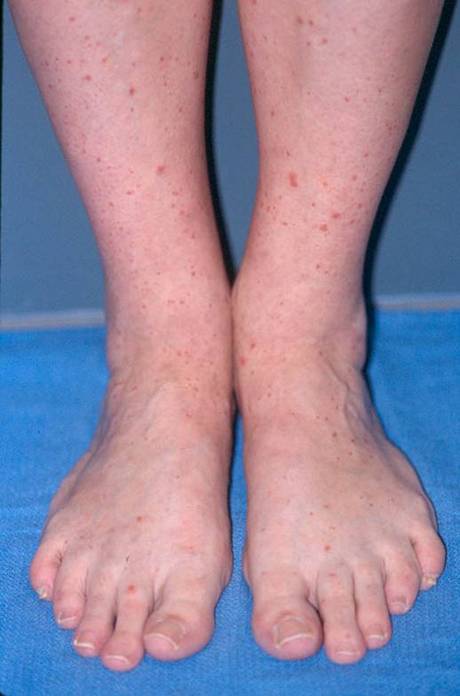
Supportive care may involve a short course of prednisone or an NSAID, such as naprosyn or ibuprofen, if the kidneys are not involved. Keeping the legs elevated may help prevent purpura during flares of active disease. Additionally, many patients’ purpura will recur after they start to feel better and become more active, inherently increasing their exposures to very minor trauma (e.g. jogging, leg shaving, increasing gravity exposures). Often, the recurring purpura is less prevalent [Figure 3], and additional HSP symptoms are often absent. In many fewer cases, primarily in adults, HSP can progress from hematuria (blood in the urine) to renal insufficiency (decreased kidney function). HSP patients who experience this symptom should be followed more closely, with regular testing of their urine for blood and protein. Recurrences, found in 33% of patients, usually develop within the first few months after resolution of the first bout.

Figure 3. Palpable purpura . Occurring in a more diffuse pattern.

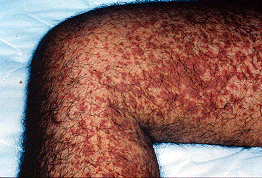
Figure 4. Palpable purpura . Here they are occurring in a very dense pattern with coalescing lesions.

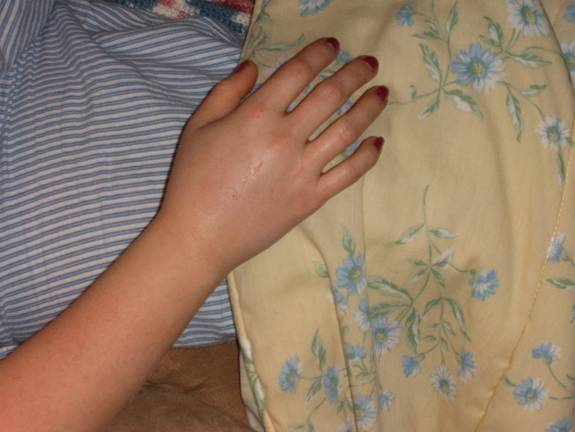
Figure 5. Swelling around the hand and wrist . Although arthralgias are more common in HSP, arthritis can occur as well as periarticular swelling, such as the tenosynovitis shown here.

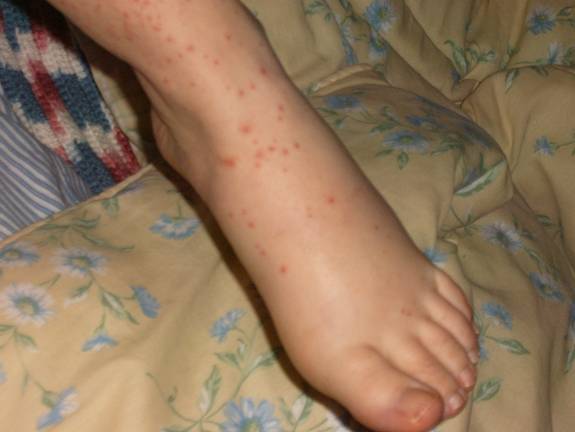
Figure 6. Swelling around the ankle and foot .

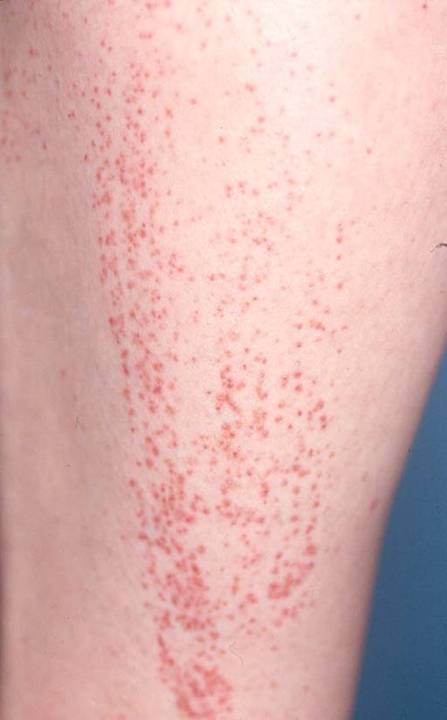
Figure 7. Palpable purpura can appear in many different patterns . This picture shows a denser distribution with a sharp demarcation caused by what is known as Koebner’s Phenomenon (Minor trauma, such as the elastic band in one’s sock, can cause such a pattern). In this case, the “trauma” was caused by the patient’s shaving of her legs, leading to the eruption of purpura in the area of skin where the razor had passed. Sufficient pressure, such as this, causes the rupture of inflamed blood vessels.

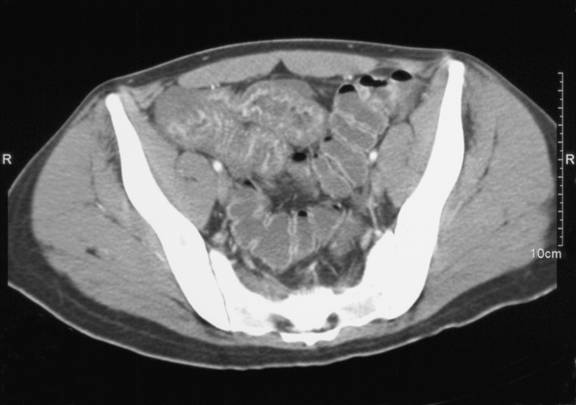
Figure 8. CT of abdomen showing bowel edema . This image is of a distended large bowel. The characteristic dips between haustra (bowel sections) are less pronounced because of the swelling / inflammation seen in HSP.

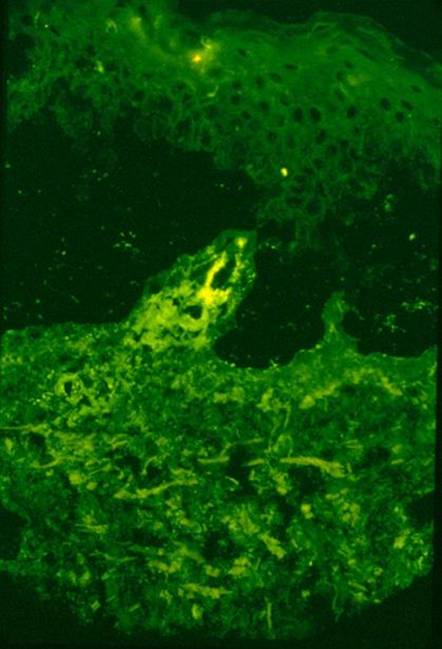
Figure 9. Formally known as DIF (Direct Immunofluorescence) testing. This picture shows immunofluorescence testing of a skin biopsy, IgA positive. Palpable purpura should be biopsied, and two fresh samples should always be sent for testing (an adequate biopsy should be large enough to divide; one for H&E (hematoxylin and eosin) staining, and one for DIF testing.

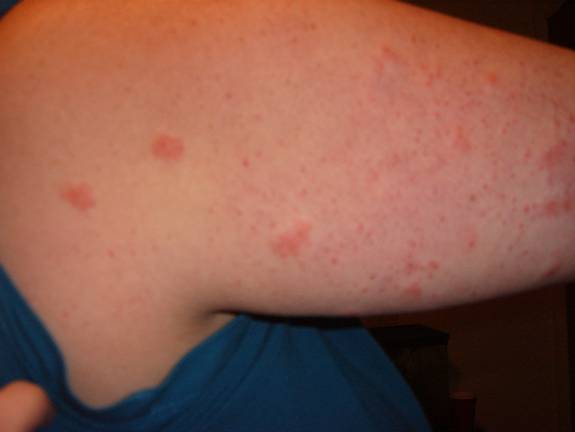
Figure 10. Arm rash . It is more common to have a purpuric outbreak on the lower extremities. However, an outbreak can occur on the abdomen, chest, or as in the case with this woman, on the upper extremities. Note the hive-like lesions that appear larger than the papules. The rash may also be itchy.

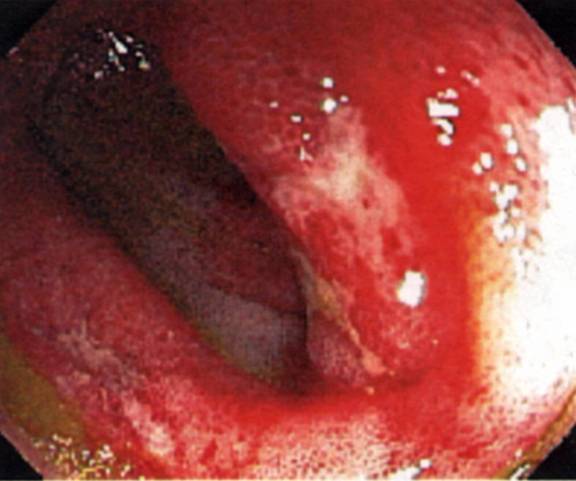
Figure 11. Colonoscopy of HSP-affected bowel . This image shows what the lining of the bowel could look like when it is inflamed and swollen, as in HSP. Looks painful…it is.

What is Vasculitis?

What is Vasculitis?

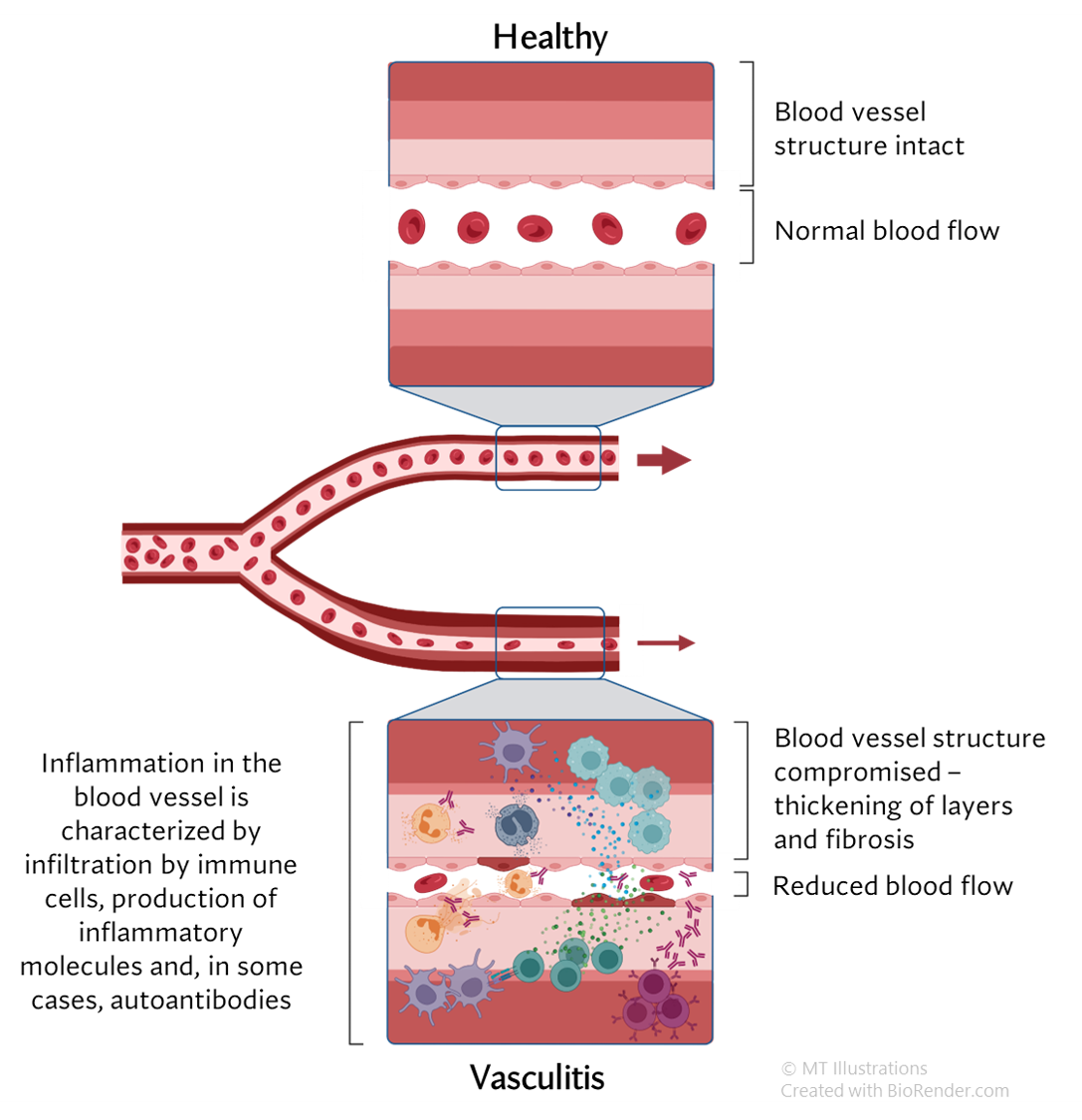
The term “vasculitis” refers to a condition characterized by inflammation focused in the wall of blood vessels.

This inflammation causes damage to the vessels, and subsequently, injury to the organs that the blood vessels supply.

Below you will find links to additional information regarding the diagnosis of vasculitis.

  • Symptoms of Vasculitis – Information on the clinical manifestations of vasculitis.
  • Diagnosing Vasculitis – Explanations of the various tests used to diagnose vasculitis.
  • Causes of Vasculitis – Discussion of the possible causes of vasculitis.
  • Types of Vasculitis – Information on the types of Vasculitis
  • Glossary of Terms – Medical terminology used throughout this website.
  • « Go to Previous Page
  • Go to page 1
  • Interim pages omitted …
  • Go to page 3
  • Go to page 4
  • Go to page 5

Primary Sidebar


donate to the Johns Hopkins Vasculitis Center

All information contained within the Johns Hopkins Vasculitis Center website is intended for educational purposes only. Visitors are encouraged to consult other sources and confirm the information contained within this site. Consumers should never disregard medical advice or delay in seeking it because of something they may have read on this website.

Footer

Johns Hopkins Rheumatology

  • Johns Hopkins Rheumatology
  • Johns Hopkins Arthritis Center
  • Johns Hopkins Lupus Center
  • Johns Hopkins Lyme Disease Research Center
  • Johns Hopkins Myositis Center
  • Johns Hopkins Scleroderma Center
  • Johns Hopkins Sjögren’s Syndrome Center

Connect With Us

  • Facebook
  • Twitter
  • YouTube
U.S. News and World Report Rankings Badge

Johns Hopkins Medicine Johns Hopkins Medicine logo
Language Assistance Available:
  • Español
  • American Sign Language
  • עִברִי
  • אידיש
  • አማርኛ
  • 繁體中文
  • Français
  • Tagalog
  • Русский
  • Português
  • Italiano
  • Tiếng Việt
  • Ɓàsɔ́ɔ̀-wùɖù-po-nyɔ̀
  • Igbo asusu
  • èdè Yorùbá
  • বাংলা
  • 日本語
  • 한국어
  • Kreyòl Ayisyen
  • العربية
  • Deutsch
  • Polski
  • Ελληνικά
  • ગુજરાતી
  • ภาษาไทย
  • اُردُو
  • فارسی
  • हिंदी
  • Deitsch
  • ខ្មែរ
  • မြန်မာ
Contact & Privacy Information
Price Transparency
Notice of Privacy Practices Privacy Statement
Terms & Conditions of Use Non-Discrimination Notice
Manage Cookie Preferences
Copyright © 2025 Johns Hopkins Rheumatology